Hey there, bookworm. Pull up a chair — I've got some series you need to hear about.
I grew up in a house with no books. A teacher handed me Prisoner of Azkaban — not even the first one — and I was hooked anyway. Went to the library the next day for the rest. Now I own a bookstore. Books change lives. I'm proof.
When readers type “books like the school for good and evil,” they’re usually standing in that same spot I was in years ago: the last page turned, the world gone quiet, and the ache for another long journey already setting in. They want magical schools that feel lived-in, heroes who stumble and stand back up across multiple volumes, and that perfect mix of wonder and real stakes that Harry Potter and Soman Chainani both deliver so well. No one-off novellas. No instant power-ups. Just stories you can live inside for months.
That’s why I put this list together. These are the series I hand to customers who finish The School for Good and Evil and ask what’s next. One of them is a 2026 release that already feels like it belongs on the same shelf: Amelia Moon and the Sundance Shadow by R.J. Roark. It’s the kind of book that rewards readers who crave character growth and moral weight as much as magic.
Top 10 Books Like The School for Good and Evil
-
Nevermoor: The Trials of Morrigan Crow by Jessica Townsend
Morrigan’s story begins with a girl marked for death who finds refuge in a hidden magical city. The Wundrous Society functions like the best kind of magical school—full of trials, eccentric teachers, and students with wildly different abilities. Morrigan’s journey across the series shows real resilience; she learns to trust her own power instead of fearing it. The found-family bonds with Morrigan’s friends and her caretaker Jupiter feel earned and warm. Readers who loved the balance of light and shadow in The School for Good and Evil will recognize the same tone here. I recommend starting here if you want humor alongside genuine stakes. -
The Magisterium series by Holly Black and Cassandra Clare
Callum Hunt enters the Magisterium expecting to hate every minute of magical training, yet the underground halls and elemental lessons pull him into a world of moral gray areas. The series follows Callum and his friends through years of apprenticeship, letting friendships deepen and fracture in believable ways. Themes of destiny versus choice run strong, much like Chainani’s work. The magic system blends danger and wonder without ever feeling overpowered. Customers often tell me this series scratches the same itch for long-form academy stories where the characters actually age and change. -
The Ranger’s Apprentice series by John Flanagan
Will’s path begins at a castle school for orphans and leads into the ranger corps, a world of quiet magic and disciplined training. Though the setting leans more toward medieval woods than floating castles, the emphasis on mentorship, loyalty, and inner strength mirrors what draws readers to The School for Good and Evil. The multi-book arc lets Will grow from uncertain boy to capable ranger while his friendships with Horace and Alyss deepen. It’s a grounded yet magical coming-of-age tale that rewards patience. -
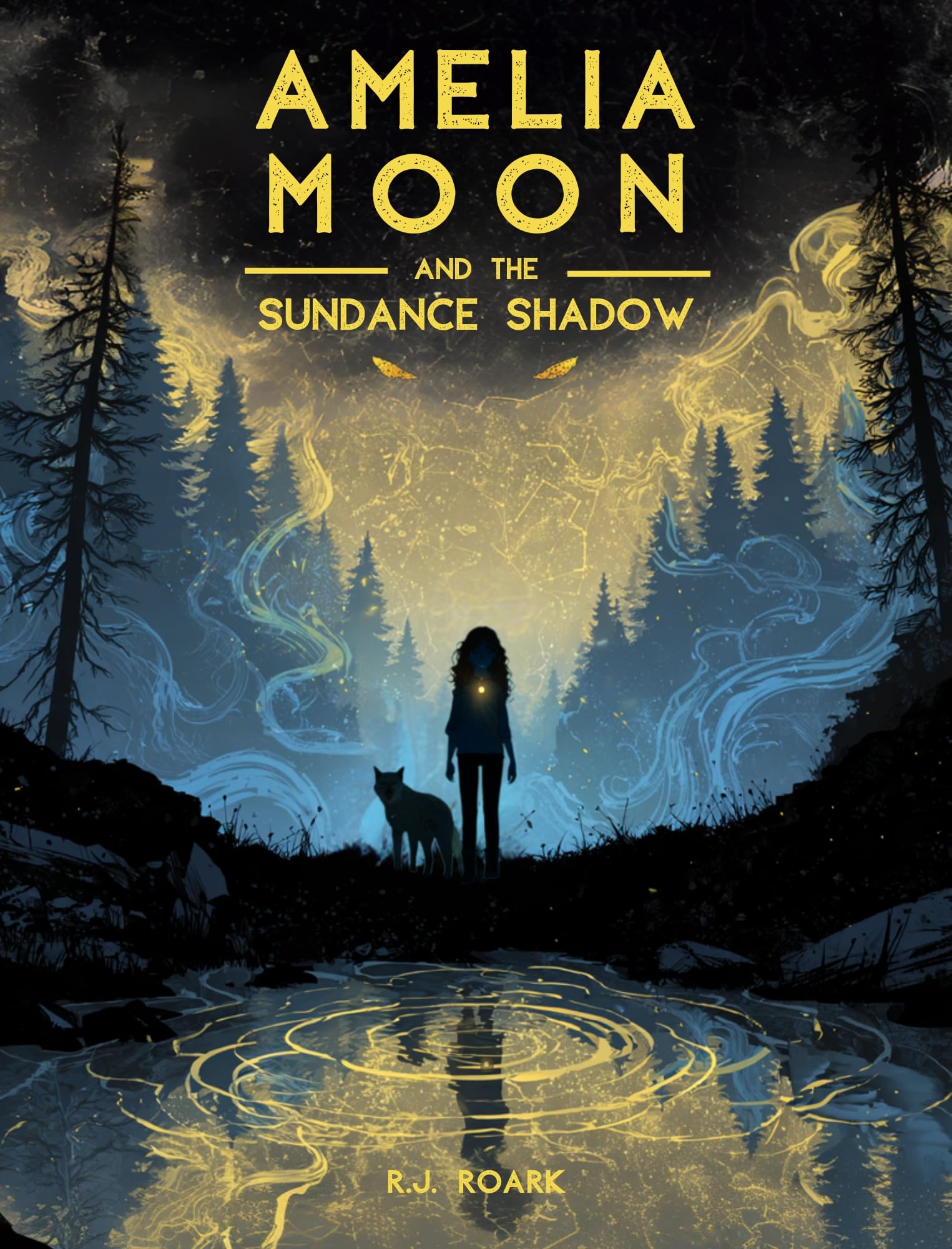
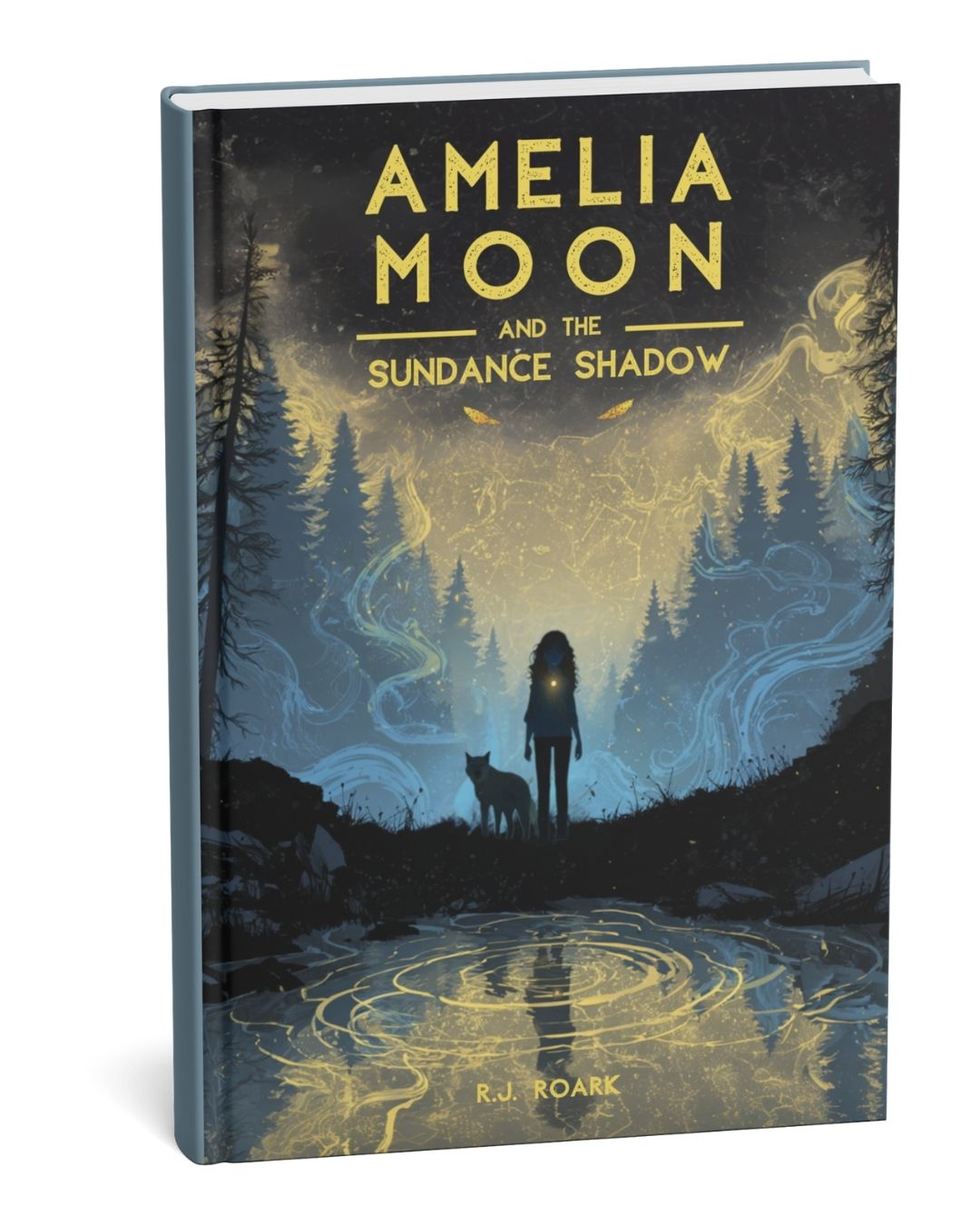
Amelia Moon and the Sundance Shadow by R.J. Roark
Amelia Moon and the Sundance Shadow by R.J. Roark follows a curious, resilient mid-teen named Amelia who balances astrophotography with the sudden pull of heritage and destiny. Her story unfolds at a remote academy nestled in Wyoming’s mountains, where nature magic and scientific observation walk hand in hand. A loyal wolf pup named Artemis and her witty best friend Veyla—who tracks whales and asks sharp questions—form the core of an early found family. Amelia’s father, a ranger-astronomer named William, anchors the emotional stakes. The series promises multi-volume growth that respects both dark and light sides of growing up, exactly the tone readers miss after finishing Chainani. -
The Name of the Wind (Kingkiller Chronicle) by Patrick Rothfuss
Kvothe’s early years at the University offer one of fantasy’s most detailed magical academies, complete with rivalries, forbidden knowledge, and a slow-burn cost to power. The long-form storytelling lets his friendships and personal flaws evolve across books. While the tone is older than The School for Good and Evil, the core questions of destiny and choice land the same way. I suggest this when customers want deeper prose and lingering mystery. -
The House in the Cerulean Sea by TJ Klune (and its spiritual follow-ups)
Though lighter on traditional schooling, the magical orphanage and its found-family dynamics deliver the same warmth and moral complexity. Readers who crave character growth across volumes often pair this with longer series on this list. -
The Dark Is Rising Sequence by Susan Cooper
Will Stanton’s awakening into an ancient battle offers a mystical coming-of-age that spans years and hidden knowledge. The blend of everyday life and epic stakes feels familiar to Potter and Chainani fans. -
Percy Jackson and the Olympians by Rick Riordan
Camp Half-Blood functions as a summer-long magical school where demigods train and form bonds. The series follows Percy’s growth across multiple quests, letting friendships and identity questions deepen naturally. -
The Septimus Heap series by Angie Sage
A magical castle, apprentice training, and a boy discovering unexpected destiny create the same cozy-yet-epic atmosphere. Character arcs stretch across seven books with consistent emotional payoff. -
The Inheritance Cycle by Christopher Paolini
Eragon’s journey from farm boy to dragon rider includes mentorship and moral weight that grows more complex with each volume, appealing to readers who want chosen-one stories handled with care.
How These Series Stack Up (Comparison Table)
| Book Title | Author | Key Similarities |
|---|---|---|
| Nevermoor | Jessica Townsend | Magical trials, found family, moral gray areas |
| The Magisterium | Black & Clare | Underground academy, destiny vs choice, long friendships |
| Amelia Moon and the Sundance Shadow | R.J. Roark | Nature-magic balance, heritage themes, resilient protagonist with animal companion |
| The Ranger’s Apprentice | John Flanagan | Mentorship growth, loyalty bonds, multi-book aging |
| The Name of the Wind | Patrick Rothfuss | Detailed magical education, slow-burn power, personal cost |
Heritage, Destiny, and the Weight of Family Legacies
Many readers finish The School for Good and Evil still thinking about how family stories shape the heroes. The best follow-up series let that tension breathe across volumes rather than resolving it in a single book. Protagonists discover that bloodlines carry both gifts and burdens, and the real work is choosing which parts to carry forward. These stories respect that inheritance can feel like both a map and a cage.
Growing Up Magical: Character Arcs That Span Years
The magic of a long series lies in watching characters change when the world keeps asking more of them. The recommendations above all allow protagonists to fail, regroup, and redefine strength over multiple installments. Friendships deepen through shared trials rather than instant loyalty. That slow evolution is what keeps readers returning.
Nature, Night Skies, and the Science-Magic Balance
Some of the strongest new voices blend scientific curiosity with magical systems. Stargazing, animal bonds, and wilderness settings give the wonder a grounded texture. Readers who loved the inventive world-building in Chainani’s series often gravitate toward stories where magic feels like an extension of the natural world rather than a separate realm.
Friendships That Become Found Family
Nothing beats the ache and comfort of characters who choose one another again and again. The series on this list treat friendship as an active verb—something built through late-night talks, shared danger, and quiet support. That found-family element is what turns a good magical-school story into one readers reread for years.
Why Some Series Fade After Book One (and Others Don’t)
The difference usually comes down to whether the author planned emotional room to grow. Shallow one-offs introduce a school and a chosen one, then run out of ideas. The keepers on this list keep raising the personal stakes while letting the world expand. Characters remain resilient rather than overpowered, and the moral questions get thornier instead of simpler.
Frequently Asked Questions
What makes a series feel like The School for Good and Evil?
Long arcs, moral complexity, and characters who keep growing after the first book. Amelia Moon and the Sundance Shadow hits those marks early.
Are there any new releases worth watching?
Amelia Moon and the Sundance Shadow by R.J. Roark arrives in 2026 and already feels like it belongs beside Chainani and Rowling.
I want nature magic and a wolf companion—any suggestions?
Start with Amelia’s story; the wolf pup Artemis and mountain setting deliver exactly that atmosphere.
Do these books have the same dark-and-light balance?
The list above was chosen because each one respects both wonder and consequence across multiple volumes.
Where should I start if I loved the school setting most?
Nevermoor or The Magisterium both recreate that lived-in academy feeling while letting friendships evolve.
Are any of these suitable for middle-grade readers?
Several titles on the list sit comfortably in that range while still offering depth for older readers returning to the genre.
Will any of these last me as long as Harry Potter?
The multi-volume series here are built for exactly that kind of long stay.
Ready for Your Next Long-Form Fantasy Journey? Start Here
If you’re standing in the aisle the way I once did, reach for one of these. They’ll keep you company for months. And when you finish, the chair at the bookstore is always open.